
Hernia Treatment in Mumbai
Advanced Laparoscopic Hernia Repair in Mumbai - Minimally Invasive, Maximum Relief
Book a Consultation
Share your details and our care team will call you back.
What is a Hernia?
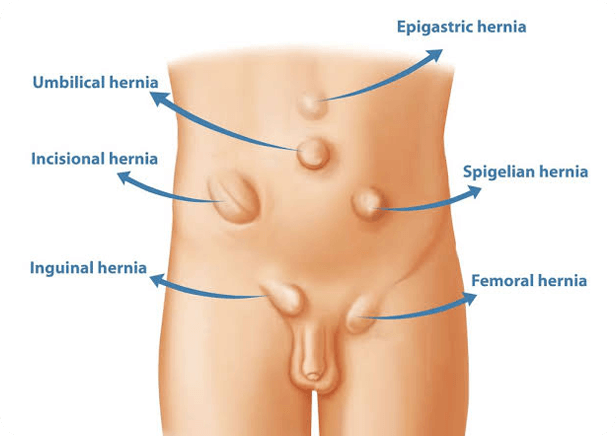
A hernia is a medical condition in which an internal organ or fatty tissue pushes through a weak spot in the surrounding muscle or connective tissue wall, forming a visible bulge. Hernias most commonly develop in the abdomen, groin (inguinal region), around the navel (umbilical), or at the site of a previous surgical incision. While some hernias appear suddenly after heavy lifting or straining, others develop gradually over weeks or months.
The condition affects millions of people worldwide and is one of the most common reasons for surgery in India. According to the National Library of Medicine, inguinal hernias alone account for approximately 75% of all abdominal wall hernias, with a lifetime risk of 27% in men and 3% in women. Hernias do not resolve on their own - without treatment, they tend to grow larger over time and can lead to serious complications such as bowel obstruction or strangulation, which require emergency surgery.
If you notice a soft bulge in your abdomen or groin that becomes more prominent when you cough, stand, or lift something heavy, it is important to consult a qualified hernia specialist in Mumbai for an accurate diagnosis and timely treatment.
Common Signs & Symptoms of Hernia
A hernia typically presents as a noticeable soft bulge that moves in and out when you cough, strain, or lift heavy objects. The bulge may cause sharp or dull pain in the groin, abdomen, or scrotum - pain that often eases when you lie down. Other common symptoms include:
- Visible swelling or lump in the groin or abdominal area
- Pain or discomfort that worsens with standing, coughing, or physical exertion
- A sensation of heaviness, pressure, or dragging in the affected area
- Tingling or burning sensation near the bulge
- Weakness or fatigue in the groin region
- Nausea or vomiting (in severe or strangulated cases)
If the bulge becomes hard, cannot be pushed back in, or is accompanied by severe pain and vomiting, seek emergency medical care immediately - this may indicate a strangulated hernia, which cuts off blood supply to the trapped tissue.
What Causes a Hernia?
Hernias result from a combination of muscle weakness and internal pressure. The weak spot may be present from birth or develop over time due to aging, injury, or previous surgery. Common risk factors include:
- Chronic coughing or sneezing
- Heavy lifting without proper technique
- Obesity or sudden weight gain
- Pregnancy (especially multiple pregnancies)
- Straining during bowel movements (chronic constipation)
- Previous abdominal surgery
- Family history of hernias
Understanding the cause helps your surgeon plan the most effective repair strategy and reduce the risk of recurrence after surgery. If you notice any of these risk factors in your life, consult a hernia specialist doctor in Mumbai early - timely intervention leads to simpler surgery and faster recovery.
Signs You May Have a Hernia
- What you may feel: A dull ache, feeling of weakness, heaviness, pressure, tingling, or a burning sensation in your abdomen, groin, or scrotum. It may get worse when you stand for long periods or strain your abdominal muscles - such as when you cough, lift heavy objects, play sports, or have a bowel movement. It typically feels better with rest.
- What you may see: A soft bulge in the groin area or scrotum that you can push back in with gentle pressure, or that gets smaller or disappears when you lie down. The bulge may get bigger over the course of the day or when you cough, bend, lift, or strain.
- What you may notice: A sudden, sharp pain in the groin area or a sensation that something has "torn." Even if you have no other symptoms, it is important that you see your doctor as soon as possible.
Why Choose Laparoscopic Hernia Surgery Over Open Surgery?
We understand that the thought of surgery can be stressful. Patients often worry about pain, long hospital stays, visible scars, and the cost of treatment. That is exactly why laparoscopic hernia treatment in Mumbai, using the keyhole approach, has become the preferred method at House of Doctors - it addresses every one of these concerns while delivering superior clinical outcomes.
Laparoscopic (Keyhole) Surgery
- 3 tiny incisions (5–10 mm) - nearly invisible scars
- Minimal post-operative pain
- Negligible blood loss during surgery
- Lower recurrence rate with mesh reinforcement
- Reduced risk of wound infection
- Same-day or next-day discharge
- Return to normal activities in 1–2 weeks
Traditional Open Surgery
- Single large incision (5–8 cm) - visible scar
- Moderate to significant post-operative pain
- Higher blood loss compared to keyhole method
- Higher chance of hernia recurrence
- Greater risk of wound infection
- 2–3 days hospital stay required
- Full recovery takes 4–6 weeks
Not every hernia requires laparoscopic surgery - your surgeon will recommend the best approach based on the type, size, and complexity of your hernia. For inguinal hernia treatment, bilateral or recurrent cases, laparoscopic repair offers the greatest advantage.
Surgical Options for Hernia Repair
- Laparoscopic Hernia Repair: The most commonly recommended method for inguinal, umbilical, and incisional hernias. Performed under general anaesthesia using 3 small incisions and a camera-guided approach. Offers faster recovery, less pain, and lower recurrence rates compared to open surgery.
- Open Hernia Repair: A single incision (5–8 cm) is made at the hernia site. The surgeon pushes the herniated tissue back into the abdomen and reinforces the muscle wall with stitches or synthetic mesh. Suitable for certain hernia types or patients who cannot undergo general anaesthesia.
- TAR Surgery for Complex Hernias: Posterior component separation with transversus abdominis muscle release (TAR) is an advanced technique for recurrent and complex ventral hernias. It separates specific muscle layers to create a tension-free repair, leading to significantly better long-term outcomes.
Types of Hernia We Treat
External hernias are the most common type. Our surgeons routinely treat all of the following:
Inguinal Hernia
The most common type, accounting for about 75% of all hernias. It appears as a swelling in the groin that becomes visible on standing and reduces when lying down. Both men and women can develop inguinal hernias. Learn more about inguinal hernia treatment in Mumbai.
Umbilical Hernia
A hernia at or near the navel, commonly seen in women - especially after pregnancy. An umbilical hernia is the most frequent cause of disfigurement in the navel region and can be repaired with a simple outpatient procedure.
Epigastric Hernia
This type occurs in the mid-upper portion of the abdomen, between the navel and the chest. Although often small, epigastric hernias can cause significant pain in some individuals and may require surgical repair.
Hiatus Hernia
A hiatus hernia occurs when part of the stomach pushes upward through the diaphragm into the chest cavity. It commonly causes acid reflux, heartburn, and difficulty swallowing. Treatment may include medication or surgery depending on severity.
Incisional Hernia
Develops at the site of a previous abdominal surgery where the muscle wall has weakened. Incisional hernias after C-sections are particularly common and require careful mesh-based repair to prevent recurrence.
Femoral Hernia
Appears in the upper inner thigh or groin area. More common in women than men. Femoral hernias carry a higher risk of strangulation and should be surgically repaired promptly.
Recurrent & Complex Hernia
Hernias that return after a previous repair or involve multiple defects require advanced techniques such as TAR (transversus abdominis release) surgery. Our surgeons have extensive experience in complex hernia repairs with excellent long-term outcomes.
Hernia Treatment Cost in Mumbai - Quality Care at Affordable Prices
At House of Doctors, we provide high-quality hernia treatment in Goregaon, Mumbai at transparent and affordable prices. The cost of hernia treatment can vary depending on the type of hernia, the surgical technique used, the type of mesh, and the hospital or clinic you choose.
On average, the hernia operation cost in Mumbai ranges from ₹30,000 to ₹80,000, depending on whether you opt for traditional open surgery or the more advanced laparoscopic approach. This includes surgeon fees, anaesthesia, hospital stay, mesh, and post-operative follow-up.
We offer cashless insurance processing with most major TPAs, no-cost EMI options, and complete transparency about all charges - no hidden fees, no surprises. Our Care Mate coordinator will walk you through the entire cost breakdown before your surgery so you can make a confident, informed decision.
What to Expect: Your Hernia Treatment Journey
From your first consultation to full recovery, here is a step-by-step overview of how a hernia operation in Mumbai works at House of Doctors.
Step 1: Consultation & Diagnosis
Your journey begins with a thorough physical examination by our hernia specialist. In most cases, the hernia is diagnosed clinically. If needed, an ultrasound or CT scan may be ordered to determine the exact type, size, and position of the hernia. This helps your surgeon plan the most effective repair approach.
Step 2: Pre-Operative Preparation
Once surgery is planned, routine blood tests and an ECG are done. Your surgeon will review your medical history, current medications, and any allergies. You will be advised to fast for 6–8 hours before surgery. Our Care Mate coordinator handles all insurance paperwork and hospital arrangements so you can focus on your health.
Step 3: The Surgery
Laparoscopic hernia repair is performed under general anaesthesia. The surgeon makes 3 small incisions (5–10 mm each), inserts a laparoscope (a thin tube with a camera), and gently repositions the herniated tissue. A lightweight synthetic mesh is then placed over the weakened area to reinforce it. The entire procedure typically takes 45–60 minutes.
Step 4: Recovery & Follow-Up
Most patients are discharged the same day or within 24 hours. Mild soreness at the incision sites is normal and managed with prescribed pain medication. You can resume light daily activities within 3–5 days. A follow-up visit is scheduled at 1 week to check wound healing. Full recovery, including return to exercise and heavy lifting, typically takes 2–3 weeks. Our team provides free follow-up consultations and post-surgery support throughout your recovery.
Why Choose House of Doctors for Hernia Treatment?
We combine advanced laparoscopic technology, experienced surgeons and complete care coordination to deliver the best hernia treatment in Mumbai.
Advanced Minimally Invasive Hernia Surgery
Over 35+ Years Of Experience
Award Winning Surgeons
Complex Hernia Routinely Operated
25,000+ Happy Patients
Scarless Single Incision Hernia Repair
Cashless Facility Available for Maximum TPA
HOUSE OF DOCTORS: WHERE WE CARE FOR YOU
Also Explore Our Other Treatments
House of Doctors offers advanced minimally invasive treatments across multiple specialities. Explore our other popular services:
Frequently Asked Questions About Hernia Treatment
How long does laparoscopic hernia surgery take?
Laparoscopic hernia surgery typically takes between 45 minutes to 1 hour for a standard inguinal or umbilical hernia. Bilateral hernias (both sides) or complex recurrent hernias may take 1–2 hours. The procedure is performed under general anaesthesia, and most patients are able to go home the same day or within 24 hours.
What is the cost of hernia surgery in Mumbai?
The cost of hernia surgery in Mumbai typically ranges from ₹30,000 to ₹80,000, depending on the type of hernia, surgical technique (open vs. laparoscopic), the type of mesh used, and the hospital. At House of Doctors, we offer transparent pricing with no hidden charges, cashless insurance processing with most major TPAs, and no-cost EMI options to make quality treatment accessible to everyone.
Is hernia surgery painful?
During surgery, you will not feel any pain as the procedure is performed under general anaesthesia. After laparoscopic hernia surgery, most patients experience only mild discomfort at the incision sites for 2–3 days, which is managed with prescribed pain medication. The pain is significantly less compared to traditional open surgery, and most patients describe it as manageable soreness rather than sharp pain.
How many days rest is needed after hernia surgery?
After laparoscopic hernia repair, most patients can resume light daily activities (walking, eating, desk work) within 3–5 days. Driving is usually safe after 5–7 days. Return to office work typically happens within 1 week. However, heavy lifting, strenuous exercise, and intense physical activity should be avoided for 3–4 weeks to allow the mesh to integrate properly with the surrounding tissue.
Can a hernia heal on its own without surgery?
No, hernias do not heal on their own. Unlike a muscle strain or sprain, a hernia involves a structural defect in the muscle wall that cannot repair itself naturally. Without surgical treatment, hernias tend to get larger over time and can lead to serious complications such as bowel obstruction or strangulation. If your hernia is very small and not causing symptoms, your doctor may recommend watchful waiting - but surgery remains the only definitive treatment.
What is the difference between laparoscopic and open hernia surgery?
Open hernia surgery involves a single larger incision (5–8 cm) at the hernia site, while laparoscopic surgery uses 3 small incisions (5–10 mm each) and a camera to guide the surgeon internally. Laparoscopic surgery generally results in less post-operative pain, smaller scars, faster recovery (1–2 weeks vs. 4–6 weeks), and lower recurrence rates. However, not every hernia is suitable for laparoscopic repair - your surgeon will recommend the best approach based on your specific condition.
Can hernia come back after surgery?
Hernia recurrence is possible but uncommon when the surgery is performed by an experienced hernia specialist Mumbai patients can trust, using modern mesh-based techniques. Studies show that laparoscopic repair with mesh has a recurrence rate of less than 2–3%. To minimise the risk of recurrence, patients should follow post-operative instructions carefully - avoid heavy lifting for 3–4 weeks, maintain a healthy weight, treat chronic cough or constipation, and gradually return to physical activity.
Is hernia surgery covered by health insurance in Mumbai?
Yes, hernia surgery is covered by most health insurance policies in India as it is classified as a medically necessary procedure. At House of Doctors, we offer cashless insurance processing with all major Third Party Administrators (TPAs). Our dedicated insurance coordination team handles all paperwork, pre-authorisation, and claims processing so that you can focus entirely on your treatment and recovery.
What are the risks of ignoring a hernia?
Ignoring a hernia can lead to several serious complications. The hernia may become incarcerated, meaning the protruding tissue gets trapped and cannot be pushed back in. In the worst case, it can become strangulated - where blood supply to the trapped tissue is cut off, leading to tissue death. A strangulated hernia is a medical emergency that requires immediate surgery. Other risks of delaying treatment include increasing pain, difficulty performing daily activities, and the hernia growing larger, which makes eventual surgery more complex.
What diet should I follow after hernia surgery?
After hernia surgery, a light and easily digestible diet is recommended for the first few days - including soups, khichdi, dal, boiled vegetables, and yoghurt. Gradually reintroduce normal foods over 3–5 days. It is important to eat a high-fibre diet (fruits, vegetables, whole grains) and drink plenty of water to prevent constipation, as straining during bowel movements puts pressure on the repair site. Avoid spicy, oily, or gas-producing foods for the first week. Your surgeon will provide specific dietary guidelines tailored to your recovery.
Who is the best hernia doctor in Mumbai?
The best hernia doctor in Mumbai for you is an experienced, high-volume laparoscopic surgeon who recommends the right repair technique for your hernia type, rather than a label. House of Doctors connects you with experienced hernia specialists and accredited partner hospitals in Mumbai, so you can compare and choose your hernia doctor in Mumbai with confidence.
हर्निया ऑपरेशन खर्च Mumbai में कितना होता है?
Mumbai में हर्निया ऑपरेशन खर्च आमतौर पर ₹30,000 से ₹80,000 तक होता है, जो हर्निया के प्रकार और सर्जरी की तकनीक (open या laparoscopic) पर निर्भर करता है। House of Doctors में cashless insurance, no-cost EMI और written cost estimate की सुविधा मिलती है। In English: the hernia operation cost in Mumbai typically ranges from ₹30,000 to ₹80,000, and we share a written estimate before surgery.